Sikh matrimony in Australia: how it actually works in 2026
Where Sikh families in Australia really look for a rishta, why the apps show ten men for every woman, and the questions worth asking before anyone's parents get on a call.
19 September 2026 · 6 min read · Rishta
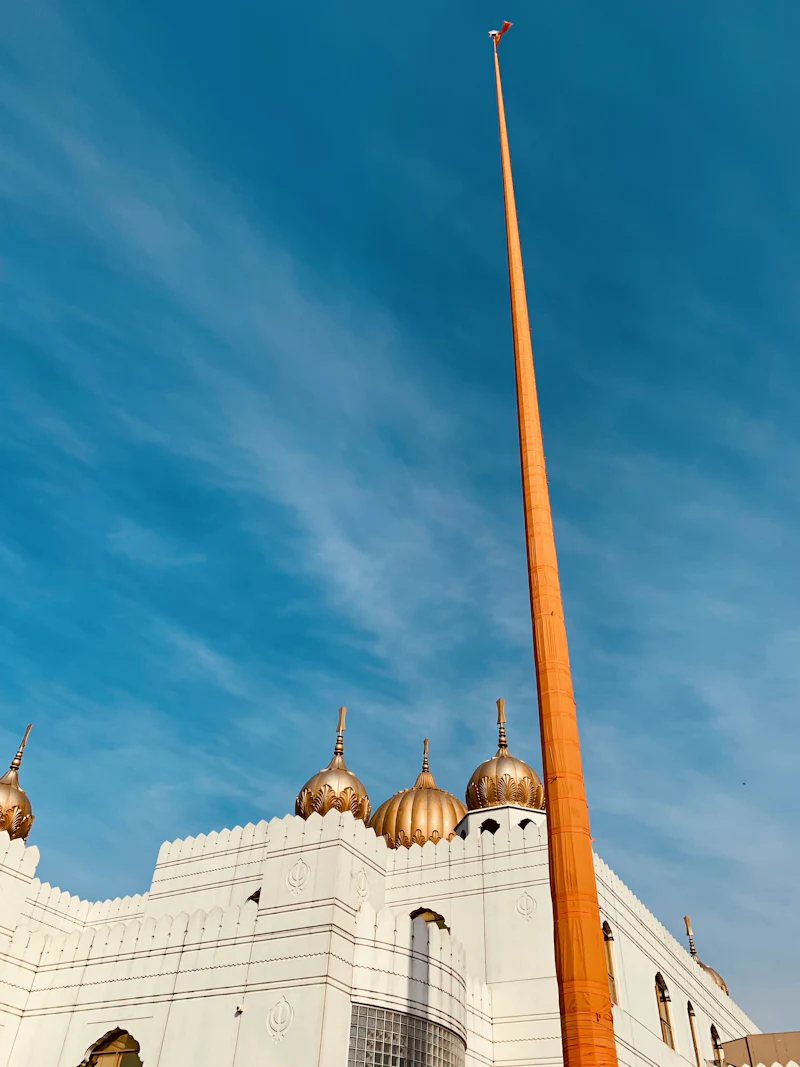
Ask a Punjabi auntie in Craigieburn how her nephew found his wife and you will not hear the name of an app. You will hear a chain of people: a cousin’s colleague, a family from the gurdwara, someone’s bhua in Ludhiana who knows a family in Tarneit. That chain is still how most Sikh marriages in Australia begin, and anyone building or using a matrimonial platform here should start by admitting it.
The community, in numbers
Australia had about 210,000 Sikhs at the 2021 census, up from 125,000 five years earlier, which made Sikhism the fastest-growing religion in the country. Victoria has by far the largest community, more than 91,000 people, most of them in Melbourne’s north and west. New South Wales is next with around 47,000, then Queensland, Western Australia and South Australia at somewhere between 17,000 and 28,000 each. Punjabi became the fastest-growing language in the country over the same period.
The community is also young. The median age is well below the national figure, and a large share arrived as students or skilled migrants in the last fifteen years. That matters for matrimony in two ways: a lot of people are looking at the same time, and a lot of them have parents ten thousand kilometres away.
Where families actually look
In rough order of how often it works:
- The chain. Relatives, gurdwara families, colleagues’ families. Slow, but the reason it works is that everyone involved has something to lose if they vouch for the wrong person.
- WhatsApp groups and Facebook pages. “Punjabi Matrimonial Australia & NZ” and its cousins. Fast, free, and almost entirely biodata PDFs posted by fathers and brothers. No verification of anything.
- The big apps. Shaadi.com, Jeevansathi, the BharatMatrimony family, Dil Mil. Huge pools, mostly in India, and a very particular problem for anyone searching from here, covered next.
- Local bureaus and matchmakers. A handful operate in Melbourne and Sydney, some good, most invisible online, and priced anywhere from a few hundred dollars to several thousand.
The problem nobody prints on the box
Set a Shaadi.com search to Sikh women aged 22 to 27 in Australia and you will find a few dozen active profiles. Set up a profile as one of those women and you will receive interest from hundreds of men within days, from across the world. Our founder ran exactly that test for six months in 2026: roughly ten men for every woman, and a paid plan that produced zero conversations.
The census says the real ratio in the community is close to even. So the women exist. They have simply decided, correctly, that a platform where their photo sits in a public grid for their cousin’s colleague to find, and where three hundred strangers can write to them in a week, is not for them. Every design decision worth making in this market is a response to that.
Questions worth asking early
Sikh families have a set of questions that are specific and are better asked in a profile than in a fourth conversation:
- Does he keep kesh? Turban? Is she amritdhari? How observant is the family, honestly?
- Which gurdwara, and is the Anand Karaj going to be done properly, which under the Rehat Maryada means both people are Sikh?
- Community. Some families care, some do not, and both are allowed. What is not fine is finding out on the third call that one side expected Jat and the other never asked.
- Visa status and where they are willing to live. A PR holder in Melbourne and a student in Adelaide are not incompatible, but the timeline is different and someone should say so.
- Diet and drinking, plainly.
- Who is actually looking: the person, or the parents on their behalf. Both are fine. Only one of them can consent.
How Rishta fits into this
We built Rishta around the chain rather than against it. Every man shows government ID and passes a liveness check before he can search, which is the platform equivalent of someone vouching for him. Women join free, decide who can find them, and keep their photos hidden until they approve a specific person. Every interest a man sends has to carry a note he wrote, so a woman’s inbox stays something a person can read rather than three hundred taps. And there is a matchmaker, a woman from the community who is never from your own city, for the families who want one, free for women.
None of that replaces your bhua in Ludhiana. It just means that when she runs out of families, there is somewhere decent to look.