Anand Karaj in Australia and New Zealand: booking the gurdwara and what to expect
How to arrange an Anand Karaj at a gurdwara in Melbourne, Sydney, Auckland or elsewhere: the Rehat Maryada requirements, the morning timing, the legal side, and what it actually costs.
19 September 2026 · 6 min read · Rishta
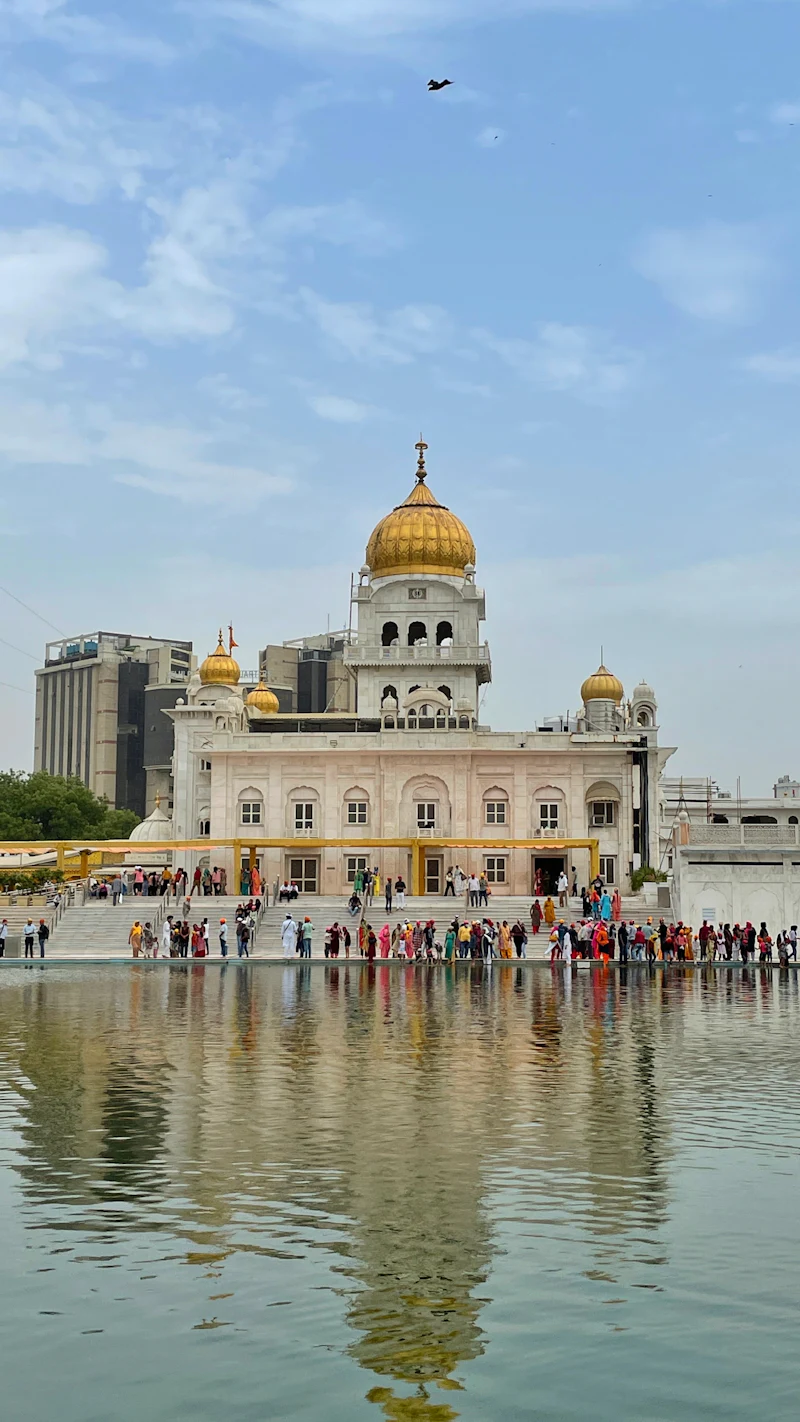
An Anand Karaj is a short ceremony with a long list of things to get right, and doing it in Australia or New Zealand adds a legal layer that families from Punjab are not expecting. This is the practical version.
Who can have one
Under the Sikh Rehat Maryada, and by a 2007 directive from the Akal Takht that gurdwaras here follow, an Anand Karaj is a ceremony between two Sikhs. Gurdwaras will generally ask both families to confirm that. If one partner is not Sikh, most gurdwaras will offer an ardaas and blessing rather than the full lavaan, and some will decline. Ask early, and ask the specific gurdwara, because committees differ in how they handle it.
The ceremony itself is the same everywhere: kirtan, the palla ceremony, the four lavaan sung from the Guru Granth Sahib as the couple walk around it, the Anand Sahib, ardaas, hukam, and karah prasad. It takes roughly an hour and it happens in the morning; almost every gurdwara will want the lavaan finished before noon.
Booking
Gurdwaras in the big Punjabi suburbs, Craigieburn and Tarneit in Melbourne, Glenwood and Parklea in Sydney, Takanini and Ōtāhuhu in Auckland, take Anand Karaj bookings months ahead for the busy season, which runs from October through to the end of the Australian summer, with a second wave around Vaisakhi. Book the gurdwara before the hall.
Expect the committee to ask for:
- The names and contact details of both families, and confirmation both are Sikh.
- Whether you want the gurdwara’s ragi jatha or are bringing your own (most gurdwaras prefer their own).
- Numbers for langar, and whether you want to sponsor the day’s langar for the sangat, which is customary and appreciated.
- Whether you need a registered celebrant, covered next.
There is usually no fee for the ceremony. There is a donation, and it should be a proper one. Families here typically give somewhere from a few hundred to a couple of thousand dollars depending on what they can manage, plus the langar sponsorship. Ask the office what is customary rather than guessing.
The legal marriage
This is the part that catches families out. In both countries, the religious ceremony and the legal marriage are separate things, and the Anand Karaj on its own does not make you married in the eyes of the state.
Australia. A marriage must be solemnised by an authorised celebrant, and a Notice of Intended Marriage has to be lodged with that celebrant at least one month before the day (and no more than eighteen months). Many granthis are registered as religious marriage celebrants and can sign the legal paperwork on the day; if yours is not, a civil celebrant can attend and do the legal part quietly before or after the ceremony. Ask the gurdwara which applies. You will need identity documents, and if either of you has been married before, evidence that it ended.
New Zealand. You apply to Births, Deaths and Marriages for a marriage licence, which takes at least three working days and names where the ceremony will be. Some granthis are registered marriage celebrants; otherwise an independent celebrant can conduct the legal part. The licence lasts three months.
If one partner is overseas and coming on a visa, the legal marriage date is what the visa paperwork will care about, so make sure it is the one you plan for.
What to tell guests who have not been to one
Heads covered, shoes off, no alcohol anywhere on the premises, sit on the floor, and be there on time because the ceremony will start without you. Non-Sikh colleagues and friends are welcome at every gurdwara we know of and are usually delighted to be asked; a one-paragraph note in the invitation saves a lot of nervous texting on the morning.
Costs, roughly
The Anand Karaj is the cheap part of a Punjabi wedding. The donation and langar aside, the money goes on everything around it: the reception venue, the photographer who has to be at the gurdwara at seven in the morning, and the clothes. Families in Melbourne and Auckland are currently spending anywhere from twenty to well over a hundred thousand dollars on the whole wedding. The ceremony that actually marries you costs almost nothing, which is worth remembering when the venue quotes arrive.